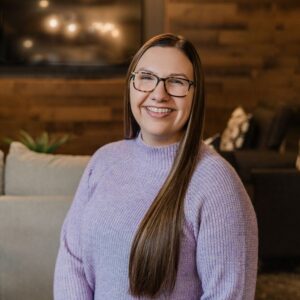
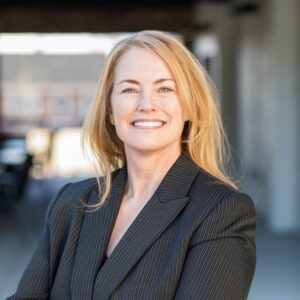
Melissa Holcombe, DSW, LCSW: Welcome to Childfree Life By Design. Today, we’re talking about care and aging and what it means for people who are building a Childfree life on their own terms. I’m Melissa Holcombe, here with Bri Conn, and in this episode, we’re talking with Jennifer Crowley about the evolving role of aging care managers, how to shift from reactive crisis management to intentional life design through aging care specialists, and the practical steps to dementia-proofing your future. If you’ve ever wondered how you can build a professional safety net that ensures your personal values and lifestyle choices stay in the driver’s seat, even if your health and cognitive abilities decline or change, this conversation will give you the clarity and the tools to make intentional decisions that support the life you want.
Intro: From Childfree Insights, this is Childfree Life By Design, the go-to resource for building the childfree life you want. Every episode gives you practical guidance, clear direction, and meaningful conversations to help you live intentionally and design a future on your terms. This podcast is for educational and entertainment purposes only. Please consult your advisor before implementing any ideas heard on this podcast.
Melissa Holcombe, DSW, LCSW: Today we have with us Jennifer Crowley, and she is a registered nurse and has been for 32 years, and is a dual certified life care planner and care manager. She’s the founder of the Life Care Experts in Montana. With over 20 years of private practice, Jennifer has authored Seven Steps to Long-Term Care Planning, the Life Care Management Handbook, and the Ultimate Care Plan Guide. So in 2019, she co-founded Life Care Management Institute, which provides over 30 online courses, books, and do it yourself family resources for designing value aligned aging roadmaps. Welcome, Jennifer.
Jennifer Crowley: Hi, thank you for having me.
Melissa Holcombe, DSW, LCSW: It’s very exciting that you’re here. I’m hoping to jump right into this and see what we can come up with.
Jennifer Crowley: Excellent.
Melissa Holcombe, DSW, LCSW: So Jennifer, in my work in probate court and guardianship, it seems like people often rely on hope as a strategy for their later years. And how are aging care managers, in your opinion, how are aging care specialists moving the needle from reactive firefighting to proactive intentional life design?
Jennifer Crowley: As an aging life care professional myself and also a life care planner, I’m passionately aligned with this topic. But I do understand that humans in general just don’t have the tools or aren’t aware of the tools that exist for helping them be intentional and very self-empowered about their journey into their later years. And it becomes clunky for a lot of individuals, and the awareness doesn’t sometimes happen until they’re actually in the moment of a need that could be somewhat more imminent, could be considered a crisis, but it might not be considered a crisis. It could just be anything that suddenly shifts in the day-to-day or the ability to carry on as normal. And so, what aging life care professionals are really good at is coming in and helping pick up the pieces, trying to provide a smoother sailing. I like the analogy of smoother sailing waters because we all can understand when a boat is hitting big waves and it becomes challenging. We need to know the direction to get to safety and to be okay and to get to our place to have fun, right? And so we are excellent at coming in and collecting a lot of data. But you don’t even know that that’s what we’re doing. We come in and compassionately try to figure out what the needs are. Essential skill is care planning and really trying to help interventions understand that it’s okay but also have the validation of, “Hey, we know this is hard. No one taught you how to do this.”
Melissa Holcombe, DSW, LCSW: Absolutely. I hear what you’re saying about people not being aware. They come into working with an aging care manager in crisis. And how do you work with that individual to help them make some better preparations? Or how do you reach out to individuals before it comes to crisis?
Jennifer Crowley: Yeah, that’s excellent. And just starting out in my business so many years ago, I kind of lacked that methodology that was real life’s the way humans need it to be. I was taught in my training how to go from here to here and step to step. But if you’re not taught how to do that, it becomes quickly overwhelming. And healthcare language generally speaking as a society, we’ve really started to put a lot of weight in about our health just on medicine. And maybe let go of the intentions we can have with being more prepared and being aligned with goals that reflect what we want for how we feel and how we want our health to be and how to be prepared. And so it really becomes more like how do we help humans learn this? How do we help each other learn how to do this? And most of it becomes because why do we need to learn this? It’s not like we’re needing to necessarily go back to school to learn how to be the perfect caregiver. But we need to go back to be reinvigorating how we focus our attention on our whole livelihood, and whether that’s from brain health to which has exercise in it and cognitive stimulation, but how we managing our households going forward and recognizing there may be a time that that becomes more challenging. And also imagining our life as the journey it is, a continuum that requires a renewal and re-energizing at times. Later adulthood is that perfect opportunity to do that. Anyway, going back, there’s so much to talk about. But I created a simple seven-step method myself, really because early on, like I was saying, humans are complex, but we don’t wanna be treated like complex or like a case, right? We wanna be treated like humans and then come to the realization that what really is important is we wanna have alignment of what we want for our lives. And how do we have better options. But the starting point is the biggest hurdle. And so I realized just having maybe a simple framework was gonna not only help me meet with individuals and families or even professionals too, teaching them how to navigate these conversations with their clients. Come up with a simple framework to where you get started to navigate these conversations around all of these key factors for optimizing the health and aging journey. So, using a tool to keep it all dialed in, ’cause when you meet with someone and they finally feel validated ’cause you’re saying, “Ugh, I know this is hard. I’m glad you reached out.” And then they realize, they don’t realize they’re drowning or they’re struggling until they’re actually becoming more aware of it. Like, “I am, but I’m maybe overthinking it.” And so just the aging life care topics to which to strengthen and fortify for someone or help navigate them to that path of greater vitality and health, straightening the ship and smoothing out the waves getting to the right port. It takes time. So you can quickly sit down on the couch and realize that many hours have gone by, and maybe you haven’t really been able to really pull out what really is the priority here and where’s the need. So I think, it takes skill to help navigate individuals through complexity in many ways. And it’s because we as humans are comprehensive in a way. Just our emotional and psychological wellbeing. And then all the way through end of life, that is still a need that reflects on many things and how we cope and resist challenges and have that resilience. So, I know I’m getting into more of the philosophy of why we do this, but in it all, the starting point is key to having the greater awareness to all of these layers.
Bri Conn, CFP®: I just wanted to pop in and ask, so obviously you know the importance of doing these things. Melissa knows the importance. I know the importance. How do you have these conversations to even get to that starting point with people who go, “I’ve never had to worry about anything like caregiving. I’ve never watched anybody age, anything like that, so they don’t understand why having a plan is so important? Because I’ve run into that a few times with clients, and they go, ‘I’m not gonna worry about it. It’s not really a thing that I need to worry about.’ And I’m sitting there going, ‘No, but it really is.'”
Jennifer Crowley: It’s a very big challenge. And we see this across the board where we might have, for example, children are worried about their mom who is in a physical decline and maybe has had some falls, and they worry about them, and mom’s resistant to it. And we really try to bring it back to a place of this is all about a shared journey. And it’s a paradigm shift really in a way. Where did we as humans start believing that it’s okay to do something completely alone, and not without help from those that have the skills or even our own village, being able to recognize that our greatest resources are right around us? That being said, sometimes someone might not have that person, they might be that solo ager, as we call it. And they don’t think there’s any reason to worry about it. They’re healthy now. It’s proactive planning is coming from a place of empowerment and trying to reduce the potential for diminished options by waiting till the last minute. So, there’s always gonna be those that we can’t convince. But I see in my experience I work with a lot of caregivers and those that are seeking knowledge and trying to figure out how to fit this into their own life, they’re the ones that are saying to mom and dad, “Hey, let’s do this.” But mom and dad are like, “Eh, no. We’re fine. We haven’t had you making decisions with us for 40 years of your life, so why would we all of a sudden need that?” And really, it’s not a place of us wanting to take over decision-making. It’s about shared or informed decision-making. But again, that still might be an uphill thing. And we want to though still acknowledge that that exists, but it can be overcome, and it may take time, as gentle persuasions in a way of, hey, if I’m talking to a partner that isn’t interested in looking at this preparedness as something that they wanna do, maybe we would say, “Well, I would love it if you do this with me. I’d love to have a partner ’cause I’m looking at my aging plan, and I’m seeing what areas I can strengthen now. And then I’m gonna plan to keep looking at this as I go along so that I can keep making sure that I’m doing what I can.” There’s a lot left up to chance, but we can reduce some of those factors we believe, by being more prepared and wholly understood and familiar. Just in the fact that brains like what is familiar, that helps a lot because the more you become familiar with these concepts of planning for the long journey of elderhood. But, “Hey, Mom and Dad, I really love you, and I wanna support you. Would you mind doing this with me? I heard it’s a great way to just make sure we can align our goals. I bet we all want the same thing. I really wanna be a part of your life. Can I help make sure that I’ve figured this out with you? And it’s gonna help me and my family too.” I care about you, and I know that I’ve started to help you with a few things, but I wanna make sure you stay good, and I wanna help do everything possible, Mom. How about we schedule a time to go through this planning tool? Or we just set aside one day and start talking about it just as a thing to talk about. Like, why do people plan for aging? And it might surprise you. Well, why do they? Does that mean they’re wrong, or are they going to have bad luck because they talked about it? There’s taboo, and then there’s resistance just from a fear. And fear is a real thing that blocks a lot of us from a lot of things. And this is one of those areas that we’re learning a lot as we go, all of us. With the largest generation we’ve seen collectively aging together into a longevity era. The longevity era is teaching us so much, and it’s really great and exciting when we can think about the positive that can come from empowering individuals to take their power back. And medicine is just a tiny part of your aging and life care.
Melissa Holcombe, DSW, LCSW: Absolutely. I love how you gave a script for approaching your loved one, your parent. And it’s so important. I think a lot of times we want to help or we want someone to develop a plan, but having that conversation is really tough. It can be a really tough thing. And having some examples of a way to make those approaches, I think makes it a lot easier. One of the questions I had was in working with families or working with people who are working possibly with a parent, do you think that the people that you are helping, the younger people who are working with their parents trying to get these things taken care of, do you feel like those people are having a light bulb moment that they need to make their own plans and do their own planning?
Jennifer Crowley: Absolutely. It’s been one of the most rewarding aspects is that because we can be burdened, I suppose, in a way. I know I have. I have a lot of empathy, so I’m an empathetic person. I’ve been a nurse all my career and always wanted to be. So I’m just that type of person, very caring about people. So when overwhelming prevalence of already disease, already setting in, such as dementia, and you’re helping caregivers already in the mix, you can get very jaded in the way of there’s not a lot we can fix right now. We’re a little too late. But then you start to realize that no, you’re effectively taking this family, or maybe it’s not a family biological, but it’s their unit. You’re taking this structure and you’re just trying to really make it the best it can be. It can be really challenging for sure.
Bri Conn, CFP®: I wonder, is there a difference too, ’cause you work up in Montana and the northern part of it, and that’s a bit more rural. We’ve talked a little bit before about how sometimes when you’re in rural areas, you need to start planning sooner because resources aren’t necessarily more available, aren’t as available as potentially larger cities. Is that something that you found to be true throughout your work and things are more spread out, or what have you found?
Jennifer Crowley: Yeah, absolutely. The connection to services, and services, it’s an awareness of what do we even mean when we say services. Sounds like where we get our oil changed. Anyway, we have to be practical and have strategy with how we manage life, right? When things get difficult. And if we don’t have easy access to supports the structure of a system, basically what we do is try to build an ecosystem of care around an individual. And if you’re planning ahead of needing care someday, it’s okay to do that. You don’t need to need help today to do that because, it’s gonna help you look at where you live and whether it will support you in what you expect your journey to look like as you grow into advanced age. The stages of elderhood are mixed in themselves too, right? Because, 55 and older is that an elder? Well, senior citizen in some ways, right? So where we see a lot of older adults and most individuals think of aging planning maybe might be like 65 and older, to be honest. And that’s okay. So let’s just say that most of us are retirement and older, and there’s a very large percentage of older adults that are living in rural frontier areas such as Montana. A lot of Montana’s rural frontier, like other states as well, the Dakotas, Wyoming, many, many miles. You’ll see a lot of cows and horses, but nothing. Beautiful big sky country, but there’s a little bit of price you pay for that if you need care and don’t have the help there.
Melissa Holcombe, DSW, LCSW: Right. There’s no infrastructure.
Jennifer Crowley: Right. And if the infrastructure’s there, but all the beds are taken, there’s that too. So it can happen anywhere. But absolutely one of the areas of risk for isolation, loneliness, lack of cognitive stimulation and opportunities to exercise, the areas that are lacking that community to really support that structure we all want to have opportunities to really take care of ourselves all the way through end of life. And then if we need the help, you’re trying to get somebody to help make a decision or you’re trying to get someone to help pay the bills, all of a sudden. And so maybe you need help because you have a new injury and just for a little while. It makes it a little bit more layers to work through, but all of it can be focused on and using a very structured approach, this is about safety. And this part’s about you getting help with your activities of daily living, and where can we find resources for you for nutrition? Sometimes you need care navigators just to help connect to resources that you might not have considered otherwise. When I meet with individuals, I call it a lot like turning over every rock. Let’s turn over this rock and see what’s underneath it. Because we want to keep digging for solutions to what the needs are at that moment. And some of the needs, a lot of families won’t know what the means until they start to really look at the whole picture. And so if they don’t have connections to resources locally, there’s resources online, but then that brings another question of technology. Would they have access to a simple laptop or iPad to which to do telehealth and teleconsults or video consultations, or have even care navigators who are dropping in by video. And the great thing is if we can get Wi-Fi and internet, there’s always a way, right? In most cases, I should say. Then we can set up a smart home and help people. But you can’t just barge in to somebody that’s never done any thoughts of what they might need to enhance their life and safety so they can stay at home if they’ve never thought of that or needed a reason to. It’s like, “We’re gonna set up a smart home.” And it’s an adoption thing. But in some ways, those become more exciting for other people. They love technology, and they’re like, “Oh, I can stay in my town here if I can connect somehow in a different way that I didn’t think about before?” Don’t get me wrong, it’s a very person-centered approach. Cause what looks right for one person might not for a next. It’s really different for the elder growing older into advanced age in rural Montana that has no next of kin, versus somebody that’s living in rural Montana and has a local child who’s very caring and in a good relationship and staying the course. But the services, professionals serving in those areas, it’s stress on the whole system because there’s not enough professionals serving in the capacities, right? And so even in towns where we have professionals, there may be times where we just can’t necessarily access the support that we need at that moment. So we have to be having a plan of our own of how we stay stable and how do we deal with it when the doctor’s not calling us back and giving us direction. We have to have some emergency planning and preparedness for just even when things go really sideways.
Midroll: As a childfree individual, who is going to manage your affairs if you can’t? Traditional estate planning often falls short for our community. That’s why we created Childfree Trust®. This isn’t just about a will. It’s about providing a fiduciary solution to protecting your assets, your legacy, and your wishes with people who understand the childfree path. Don’t leave your future up to chance. Learn more and get started on securing your peace of mind at childfreetrust.com.
Melissa Holcombe, DSW, LCSW: Right, and it sounds like with Aging Care Managers they help families and help individuals make those plans. Talk to me a little bit about your Life Care Management Institute. What brought you to co-founding that and how does it help families that may not be able to may be in a rural area and can’t access all of the information in local ways?
Jennifer Crowley: Yeah, thank you for asking about that. So the Life Care Management Institute I co-founded in 2019, and it’s actually through a colleague who’s a close friend of mine now, too, Shauna Huber. And we started it, she met me and heard me speak before on my seven steps to long-term care planning. And she came to me basically acknowledging that she was getting a lot of phone calls. “Hey, you and I are very similar. We are both life care planners, and we’ve been in the communities where we live and serving as a life care planner in the role of a life care manager. Which is a non-litigation. Many life care planners work in litigation, because they’re helping build life care plans or reviewing life care plans for cases involving future medical, for claims, settlements, those purposes. And so we were uniquely catering our businesses, which when I look back, I’m like, I had this vision, but way back then, started at it, and it just was led to it. So I was being innovative in that sense, well, I’m gonna make the seven steps because it’s gonna help me when I meet with individuals, but then it’s also gonna help others. And so she had heard me talk about the methodology teaching, I knew other nurses, other social workers, occupational therapists, those who might be serving as an aging and life care professional in the community. Really, I could tell they weren’t really robust with the care planning part, and I felt like that methodology that I learned in my training was just carrying over and over. Just like the consistent, reliable approach to how we work with someone. And it doesn’t mean that that’s where we stay. You’re not going to step three yet because you haven’t completed step two. Because sometimes it flows, the dynamic process. Anyway, I created all that. Shauna had heard me talk about it passionately, and she’s like, “Hey, you wrote that book, and everybody keeps asking me how do we start a care management practice, what we’re doing?” And she’s over in Ohio and I’m way over in Montana and I’m like, “That’s amazing, our coincidence is. So it was one of those like, it’s just a simple guidebook. I’m not sure I want to write a textbook. But then it ended up being just profoundly impactful just to be able to create something a modern read basically, and that was designed to help anyone in the aging and life care space to understand how to navigate these various topics, hold themselves to a high level of practice so they could be knowledgeable. But you can’t know everything because you don’t know what’s gonna be thrown at you. I mean, a lot of care managers can specialize if they’re in a metropolitan area and they’re just doing maybe dementia care. But it’s a very broad area, right? Aging and life care, because it’s talking a lot about the person from head to toe and their whole livelihood and personhood. And ’cause social determinants of health, all those things that really impact how we perceive our environment and everything. So very deep topics is what we realized that, oh, this became really big because it’s a lot. But then it became profound, like I was saying, because we’re able to bring in guest contributors and just the relationships you build in that and meeting amazing people, to bring in their expertise and fit it into the right spot to help expand in this areas. And we could have kept going and going. But anyway, Shauna and I decided to write that. We published it in 2021. It took a couple years, and there was the pandemic in there. Took a couple years to write that, and then we decided to just have online courses and then, out of that, just more recently, I did a little bit of a pivot to focusing on families because I feel like the resources that are at the Life Care Management Institute can be very helpful for anyone that wants to get organized and have access to resources and tools to do care navigation or even care advocacy. But there was a real chunk missing for the caregivers or the people that are really trying to explore, we don’t want the clinical side, we need something just for us. For the families or for the solo agers who are doing it on their own, trying to figure out where to start or, the small groups that are doing it. And so I created my online course just ’cause I had that familiarity now with how to make an online course. Which, I didn’t get that in my nursing school either.
Bri Conn, CFP®: Doesn’t quite fit the hospital bedside type of training there.
Jennifer Crowley: So I made a family course and it’s really my seven steps. I really just had a vision to have multiple ways to do this. You have the simple guidebook. You can hire someone to walk you through care planning and there’s excellent professionals that have training to do that. But you can do it on your own and I just don’t wanna limit anyone. Hey, do it online if you’d like. It’s not gonna win any movie awards or anything like that, but it’s just an option. And so, again, it’s getting started is sometimes the hardest step. But once you start, if you dip into it and you start realizing how important this is, like it’s your legacy, it’s your life. We should be planning as if our whole life depended on it. So anyway, I get really excited because I’m in that space of just creator and I like to create helpful resources and all that. Thanks for asking about that.
Bri Conn, CFP®: If you’re not watching the video, I’m holding up a Post-it note that I wrote when Melissa and I first met with Jennifer. But on the note of this is our life, one of the things that she had said in our first conversation was, “We do better at hiring property managers than we do somebody to care for us.” And that has stuck with me from that first conversation to now, and I felt it was so important that I need to have it written down on my desk. That’s such a fantastic way though of saying, “Yeah, we need to take care of us and make sure that we’re cared for.” So I wanted to make sure I shared that too, because I thought the way you framed that was so beautiful, and our care is important.
Jennifer Crowley: It’s more than what we envision when we think about care and aging. From my experience with families, individuals, and they’re just getting their perspective about same thing. Perspective about aging and aging preparedness and like, “Oh, when things get bad, I’ll take care of it myself.” Or, “Oh, I don’t need that. That’s nah, my family will take care of me.” Just all over the place with it. There’s a lot of just mostly not really knowing. No one’s told them that it was important and that their life was worth this effort because it’ll really set the stage for more alignment really. And I do think that we are better at taking care maybe of just the house or how about an automobile, than we are focusing on the aspects that even your listeners might not really even understand what I’m saying. Again, I was saying like the care that we envision is maybe someone with a cane or someone in a nursing home bed that looks very sick. That is the long-term care vision. I think that’s been going on for so long ’cause that’s all we knew. But now we know we’re in this longevity era of potential that we’ve never seen before, especially if we can encourage engagement early on for a full empowerment of just try. We can’t control everything, but where we can it make a difference is in some of the choices we make early on that set the stage to come.
Melissa Holcombe, DSW, LCSW: Well, so often. I think one of the barriers for people is that they just don’t have knowledge of what’s out there. And your institute allows people to access that information to go through in your books, to see what’s out there, to see the different ways that you can age in place you can age in retirement communities. There are so many options, but the key to knowing what your options are is the education.
Jennifer Crowley: Yeah, and clarity goes a long way in bringing relief too to a mind that maybe is unsure. And so aging shouldn’t be so unfamiliar is what I feel like. Our brains, again, like what’s familiar. But when we talk about the care of ourselves as an older adult, your elderhood could be longer than childhood really. Let’s do this, it’s talking about everything from the nutrition and not just medications, but pet care. How do you take care of your pets? And what are you gonna do with your house or your car? What about these antiques? But how are you going to take care of the house and where will you live? Will my house serve me in the same way that it has? And I don’t know, everyone likes to stay in their old homes too, but it’s not always the best place for our bodies as we age and our minds. We may need to look at things differently, and it is like going back to school, in a way. So to just be like, “Oh, let me learn about this,” ’cause it’s talking about my life. I think that might be me.
Melissa Holcombe, DSW, LCSW: How do you help people that you work with move into intentionality about the way that they want to live their final years or their later years? And how do you link that to values-based planning?
Jennifer Crowley: It’s a loaded question and one of my steps which I use the mnemonic U DECIDE. But one of the steps is really to look at, evaluate what you want. I talk about the business of life care a lot, or treating caregiving like a business or like planning for your life, you’re the CEO. But how do we get people to actually really adopt a mindset that this is okay and then know how to open up and get into a little bit of a vulnerable space? Cause I know it feels vulnerable to a lot of people to talk about things like growing older and maybe needing help, not knowing ourselves, in that context. It doesn’t mean it’s gonna happen, so we just wanna say, “Hey, you deserve this, and we wanna help you. This is how we know that we can help you have vitality and we can reduce that diminished options that come forward. Or the options that don’t exist because we waited too long. But also just intentional livelihoods is like a legacy. Are we just gonna wait until we’re gone and then that’s what everyone remembers? Our legacy is a lot about who we are in the context of our whole life, and that very large human psychological development that is still needed. And the highest stage of psychological development in older adulthood is being able to have a sense of purpose, a stability, an ability to share your wisdom and participate still in life, but have a sense of belonging as well. And that you had made a difference. So many people skip out of that because they’ve not been intentional about who they are and what they want for a long, long time. They gave up on that. “Oh, it’s just gonna happen to me anyway, or not happen to me.” And so therefore, intentional living is an awareness of its own of, what does that mean? It’s really just getting in touch with, okay, this is an easy tool to use, but what do you want? What’s important to you? If you could make one change today, what would it be? So just allowing that space sometimes is the hardest part. Who gives it to themselves like, “Hey, I’m gonna treat my life care like a business, so I’m gonna sit down every week.” That a bit much, right? But pick something easy. How about on the first Sunday of the month at 3:00 PM, I’m gonna sit down and we’re gonna start going through just parts of this. And understanding what we need is more about aligning what’s on our mind and in our hearts. Start there. Is there anything that worries you about where you are in life and aging? And it doesn’t have to be waiting until you’re 80. This could be very effective for the caregivers, the kids, the whole family to do together, as much just for the solo ager, just because it’s gonna open up that doorway and allow that space in to really start processing through and do the self-guided conversations. And if you need help, that’s what the professionals are here to help weed out. When I think about the intentions, you have to build it into your life as if it means something.
Melissa Holcombe, DSW, LCSW: So yeah it is important to have that intentionality especially when you are a solo ager or you are Childfree. And knowing how to plan and thinking about it, the intentionality and the planning actually gives you more control, than less control. It doesn’t take that control away. It actually gives you more control because then the people who are your people, your tribe, your chosen family, those people know what your thoughts are, what your wishes are to the extent that they can help you if there comes a time when you can’t do things for yourself. Does that make sense?
Jennifer Crowley: Yeah, it’s personal. Finances do determine what’s possible but they’re also deeply personal. And so a lot of these decisions of what are you afraid of as you get older, most of us will have the same things that we speak of, loss of control and being unhealthy and being a burden perhaps. So these are personal things that need to be aired out a little bit, but then there’s the practicality. We don’t need every detail on day one. We don’t need to have every detail. We just need enough to plan responsibly. Things like what resources do exist? We hear over and over that you need power of attorney documents, right? Or we need a power of attorney, and that’s so important. But do you understand the role that that person serves in? If my daughter’s gonna make my decisions for me. I’ve got that all done. Or if they don’t have a decision maker, then somebody has to come in under duress or a crisis, right? Under quite a bit of stress and imminent need to figure out what resources do exist that are attached to you. Like what possible payer sources are there to help pay for care and that immediate need, redirect care, whatever it is. What’s protected, what’s insured, what’s at risk? What is the future care going to cost and what needs to be shared and with whom? And I reassure older adults especially that sharing information is not about losing control. It’s about preserving it. We need to preserve it. Not everyone needs to know everything, but someone needs to know enough. And that goes with healthcare too. But finances people understand easier, of like, yeah, if something happened to me today, who would pay my bills? Who can access my accounts? Who does know what insurance I have? We’re securing services somewhere new and they don’t have that. What does long-term care coverage look like and our assets, what things are in our community is a big learning curve for most people too? And so some of that is just knowing that the community that you have can serve you in that time. And then just trying to figure out how we can take this to be more about safety, not surveillance. Aging, it can be expensive, but it can be more expensive in the way of emotional and logistically. Just start with a simple inventory of things, what comes in, what goes out, what’s saved and what’s insured. And then the healthcare aspects too of just there needs to be a little bit of transparency and it should be a shared journey of aging. The care ecosystem that we all should have around us, it intersects with all areas because that’s you as a human, collectively. So it’s a lot of layers, but really it’s just when you start doing it, you realize it’s not as cumbersome as you realized. I mean, the earlier you can prepare and go through, have a structured approach to it, then it would hopefully begin to make a lot more sense of okay, we took care of this, we have support for anything and then hire the right professionals when you need to.
Melissa Holcombe, DSW, LCSW: Absolutely. So often in my work with probate court and with guardianship, I come in and I find that there’s been some documents prepared, either wills or power of attorneys. But people seem to focus so much on what comes after they pass and they don’t put any focus at all on what comes before and what they would like. And so definitely having those conversations. And also once you have determined who your power of attorney is, to have the conversation with that person to let them know, so that, a crisis doesn’t come up and someone gets a call that tells them, “You’re the listed as the power of attorney.” Is that something that you’ve experienced in your work?
Jennifer Crowley: Oh, yeah. And then, we identify the unpaid caregivers in one of the seven steps too, and that’s really looking at the unpaid village, the people in your life that you can rely upon. And if you don’t have that, then you have to lean towards planning for the proxy, the person that would fill in those shoes. But we also need to know the limits, what isn’t going to work for us in this? Aging and life care should be about almost building your baseball team too. Like who’s on first base? Who’s on second and third? And who’s in the outfield? And each of those represents, position of who’s gonna take care of the bills? Who’s going to maybe help me with the doctor’s appointments and go with me to be my buddy so that I can help get my questions answered by the provider and also remember the details and maybe drive too. And then, who is going to take care of the household? And the outfielder might just be somebody that’s doing the pet care. Not everyone needs to have a whole baseball team, but you do have to have the key people that are helping to make decisions. That’s one of the very, highly recommended legal documents is to have a decision maker authorized legally according to your state guidelines to make decisions in case you can’t. All those things that you’re talking about with the financial transparency would help that individual you choose to make those financial decisions to be more prepared and treat it like the business you would want them to treat it like. This is serious. This is my stuff. I gave you authority to handle it in case of, and now I can’t. So what are we expecting of that person that we’ve given this authority to if we haven’t been able to share with them the key things that makes up that job, right? The same comes from power of attorney for healthcare. And we see family members give it to their child or even their niece or neighbor even. So again, that vulnerable state, but we want to look at that as having a structured conversation, but with compassion and grace. The structure is what does each person actually have capacity for doing and what are their boundaries? ‘Cause not everyone can serve, so we can’t just automatically assume that our child will wanna be our power of attorney or can provide care assistance regardless of whether they’re the power of attorney. That care ecosystem does require a little bit of giving and hopefully you’ll get stuff back that will be greater ease with which things are handled and how you’re supported.
Melissa Holcombe, DSW, LCSW: Absolutely.
Bri Conn, CFP®: Well, thank you so much for all of your time today, Jennifer. It sounds like a lot of it is bringing awareness to even starting of what do you need to do for a care plan and making sure you’re also prioritizing it, and you’re not just prioritizing your property, you’re also prioritizing your care. Melissa, you want to go into the deliberate detail now?
Melissa Holcombe, DSW, LCSW: Sure. Absolutely. So we’ve reached our final segment of Childfree Life by Design called Deliberate Detail. This is a segment where we ask you to share a small intentional thing you’re doing to design an amazing life. If you could, share what it is, why it matters to you, and what it costs, if anything?
Jennifer Crowley: Oh, that’s great. I love that. And I have to say right away that I work hard every day with, well, it’s not that hard to be kind, but kindness and gratitude is totally free. It’s really an inside job, so that’s something that has to start with me of how I run and represent, but it reflects then back on me. But intentional things that I’ve done is I know the importance of growing older and staying physically active and being outside in fresh air. So I’ve made it a point to schedule that as my exercise, as a class that I take rather. And so there many things that get in the way of actually doing the things that are gonna help our bodies cope with stress and then also keep the blood flowing. And also have time to reflect away from all the stimulation that comes from media and just the things to do and accomplish. So I think for me, that’s most of the time it can be very economical ’cause I can go walk outside free. I have invested and classes like yoga and strength training classes and things like that. I think exercise is really an important part of brain health, and I know it is actually. I want to do what I can to reduce the risk to my body. That’s one of my great things. But just also lastly, I guess, spending more time with families. This was a big year for me in making some adjustments to my life so I could spend time with my parents who I’ve been living at a distance from.
Melissa Holcombe, DSW, LCSW: I love that. Thank you for sharing. So Jennifer, thanks so much for sharing all of your insights today. I feel like I’ve gained a ton of knowledge and I wanna know, our listeners also want to know, where can our listeners find you?
Jennifer Crowley: You can find me at thelifecareexperts.com is the practice in Montana, but we do have a e-book, the Seven Steps to Long-Term Care Planning e-book on that site. And then we can have you go over to LCMexpert.com, the Life Care Management Institute, where you’ll find our online education and resources for aging and life care. One of my favorite products that just came out was a Family Aging Life Care Planning course that is there and available for families to take. It’s two hours of content. It’s all of the seven steps laid out in video format with the handouts to either build your printed book, but it’s very encouraging to create an electronic hub at the same time. So we have some integration to the digital record there and that’s through our partnership with Primary Record to do that. It’s a tool for families to know that we can make things be at our fingertips in a way, like our whole ability to be organized and prepared. So then we can just go about our life and do the things we really want to do, which is all the fun. Just live life large and enjoy the moments. So yeah, LCMexpert.com, and reach out to me anytime at thelifecareexperts.com. There’s a Contact Us page there as well. I know it’s a lot, but I’m happy to respond to anyone too. If they want to share my email too, I can share that.
Bri Conn, CFP®: You put share it here or we can put it in the notes too. That’s fine.
Jennifer Crowley: Yeah, you can reach out to jennifer@thelifecareexperts.com. And if you have more questions and just want to shoot me words of encouragement or you need words of encouragement, either way, appreciate it.
Melissa Holcombe, DSW, LCSW: Thank you so much. And your new resource sounds very exciting. I can’t wait to take a look at it.
Jennifer Crowley: Thank you. I appreciate it. It was great to have the ability to help raise the awareness of this topic and help you guys get out there too.
Melissa Holcombe, DSW, LCSW: Wonderful. It was so nice talking with you. So that’s all for this episode of Childfree Life by Design. Remember, intentionally choosing to invest in moments of joy is just as important as investing in your future. Until next time, happy designing.
Outro: You’ve been listening to Childfree Life by Design. Make sure you follow the show, leave a rating or review, and connect with us on social @childfreeinsights. For more resources, guides, or upcoming events, visit childfreeinsights.com.